Understanding Cell Tower Antenna Types: A Comprehensive Guide
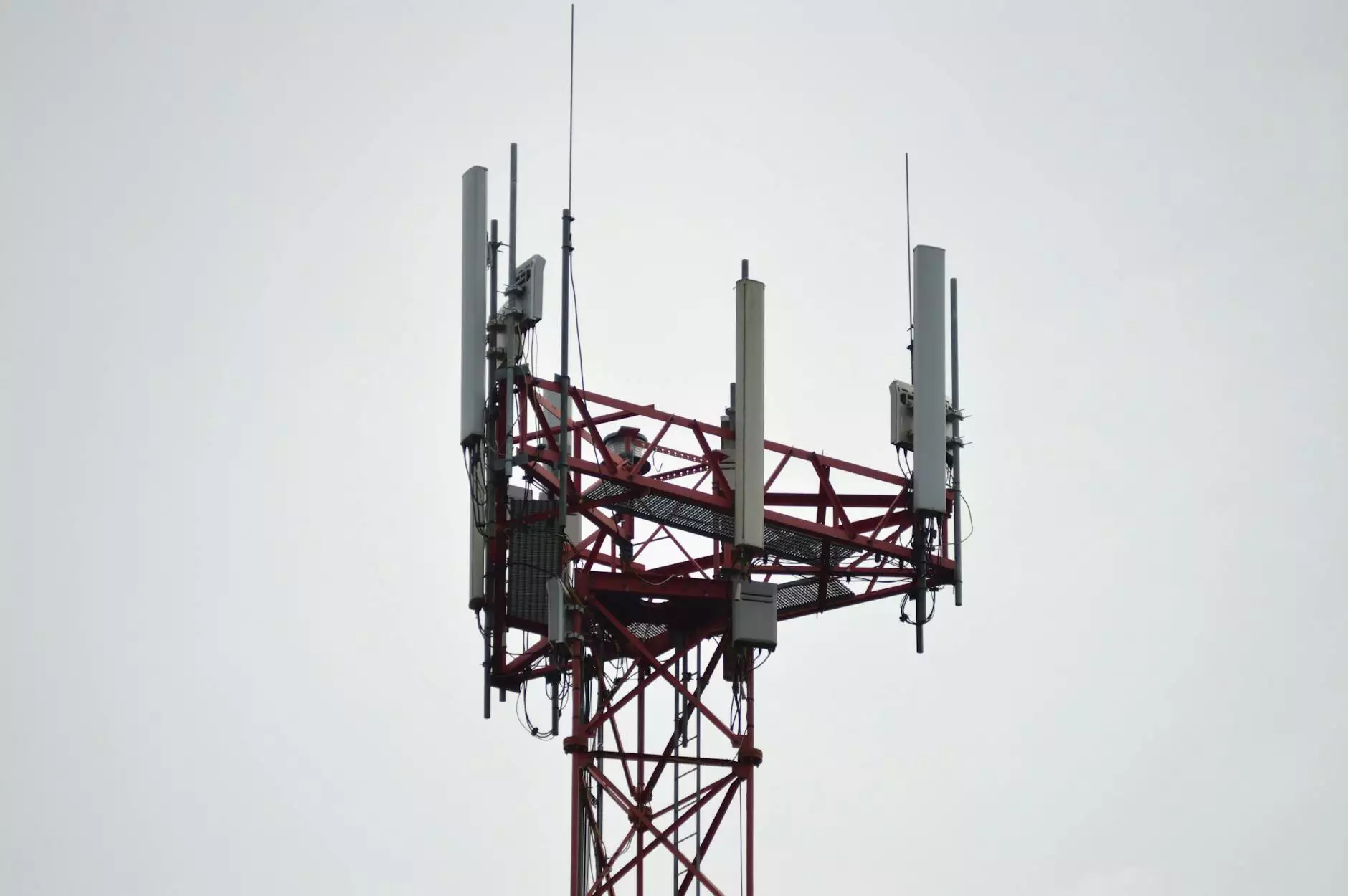
The evolution of telecommunications has paved the way for rapid advancements in technology, particularly in the realm of mobile communications. At the heart of this advancement lies a crucial component: cell tower antennas. Understanding the various cell tower antenna types is essential for anyone involved in the telecommunications industry, including service providers and consumers alike. In this article, we will explore the different types of antennas, their functionalities, applications, and how they impact signal quality and coverage. Let's dive in!
What are Cell Tower Antennas?
Cell tower antennas are devices that are essential for the wireless communication network. They are responsible for transmitting and receiving radio waves between the cell tower and mobile devices. The effectiveness of cellular networks depends significantly on the type of antennas used, their orientation, and where they are deployed. Different antennas serve different purposes, from basic voice calls to advanced data transmission for high-speed internet services.
Why Understanding Antenna Types is Important
Understanding the different cell tower antenna types can help consumers and businesses make informed decisions about their mobile service providers. It can also assist telecommunications companies in optimizing their infrastructure to improve service delivery. Well-informed choices can lead to:
- Enhanced Signal Quality: Better antennas lead to clearer connections.
- Wider Coverage: Different designs can reach more users.
- Improved Data Speed: Certain antennas are built for high-speed data transmission.
- Future-Proofing: Understanding emerging technologies.
Types of Cell Tower Antennas
There are several distinct types of cell tower antennas, each with its own unique features and applications. The most common cell tower antenna types include:
1. Omni-Directional Antennas
Omni-directional antennas are designed to radiate and receive signals equally in all directions. This design makes them ideal for central locations where coverage is needed over a wide area. Key characteristics include:
- 360-degree coverage
- Simple installation and alignment
- Great for urban environments with high user density
These antennas are particularly effective for cellular base stations located in urban areas, where they can minimize obstructions to signal propagation.
2. Directional Antennas
As the name suggests, directional antennas focus their energy in a specific direction. This type of antenna is often used when targeting a particular area or when the distance between the antenna and the user is significant. Noteworthy aspects include:
- Higher gain and increased signal strength
- Reduced interference from unwanted signals
- Effective for long-distance communication
These antennas are crucial in rural areas where signal coverage is sparse and need to cover specific communities.
3. Panel Antennas
Panel antennas are a type of directional antenna that is flat and positioned on a mounting structure. This antenna type is commonly used in larger cities where coverage needs to be focused on more urban areas. They offer the following advantages:
- Compact size for easy installation
- Can be mounted on rooftops or facades
- Excellent for MIMO (Multiple Input Multiple Output) applications
Due to their design, panel antennas can provide both broader coverage and targeted strength to specific locations.
4. Yagi Antennas
Yagi antennas are highly directional antennas that are widely recognized for their high gain and ability to reach longer distances. They are often used in rural areas where cell reception is a challenge. Features of Yagi antennas include:
- Strong focusing on signal reception
- Ideal for picking up weak signals
- Compact and lightweight design
These antennas can be installed on homes or buildings to improve signal reception for users living in less accessible areas.
5. Sector Antennas
Sector antennas provide coverage within a particular 'sector' or segment of the cell tower. They are essential for enhancing capacity in high-traffic areas, such as stadiums and concert venues. The benefits include:
- Increased capacity for data handling
- Ability to provide specific coverage for dense populations
- Flexibility in arrangement for optimal coverage
Sector antennas work collaboratively with the base station to ensure that communication remains strong, especially during peak times.
6. Microwave Antennas
Microwave antennas are used for point-to-point links and have the ability to transmit information over long distances. These antennas operate in the microwave frequency range. Important aspects include:
- Capable of transmitting large amounts of data
- Utilizes non-licensable frequencies for communication
- Critical for relay systems in telecommunications
Microwave antennas serve as a backbone for networks, helping to facilitate communication over vast distances without the need for physical cables.
Factors to Consider When Choosing Antennas
When selecting antennas for telecommunication projects, several crucial factors must be considered to optimize performance:
- Coverage Area: Understand how far and wide you need to transmit signals.
- Signal Strength Requirements: Consider the needed gain based on your location.
- Environmental Factors: Assess potential obstructions such as buildings or trees that could interfere with signals.
- Installation Environment: Certain antennas are better suited for urban environments, while others perform well in rural settings.
Benefits of Proper Antenna Selection
Choosing the right cell tower antenna types can lead to numerous advantages:
- Cost Efficiency: Reduces the need for excessive infrastructure investments.
- Improved Customer Satisfaction: Better coverage equates to happier customers.
- Scalability: Ensures your network can grow with demand.
- Future-Ready: Prepared for upcoming technologies like 5G and beyond.
Conclusion
In conclusion, comprehending the diverse types of cell tower antennas is essential for professionals in telecommunications and consumers seeking optimal service. With the continued advancement in technology, keeping up to date with the latest antenna types and their specific applications will ensure network providers can deliver the best possible service.
By leveraging the right antennas, the telecommunications industry can enhance user experience, expand coverage, and support an ever-increasing demand for mobile connectivity. Take the time to investigate and understand which types serve your specific needs best, ensuring that your telecommunications service retains its quality and efficiency.