Wedding Events Planning: Your Ultimate Guide to a Flawless Celebration
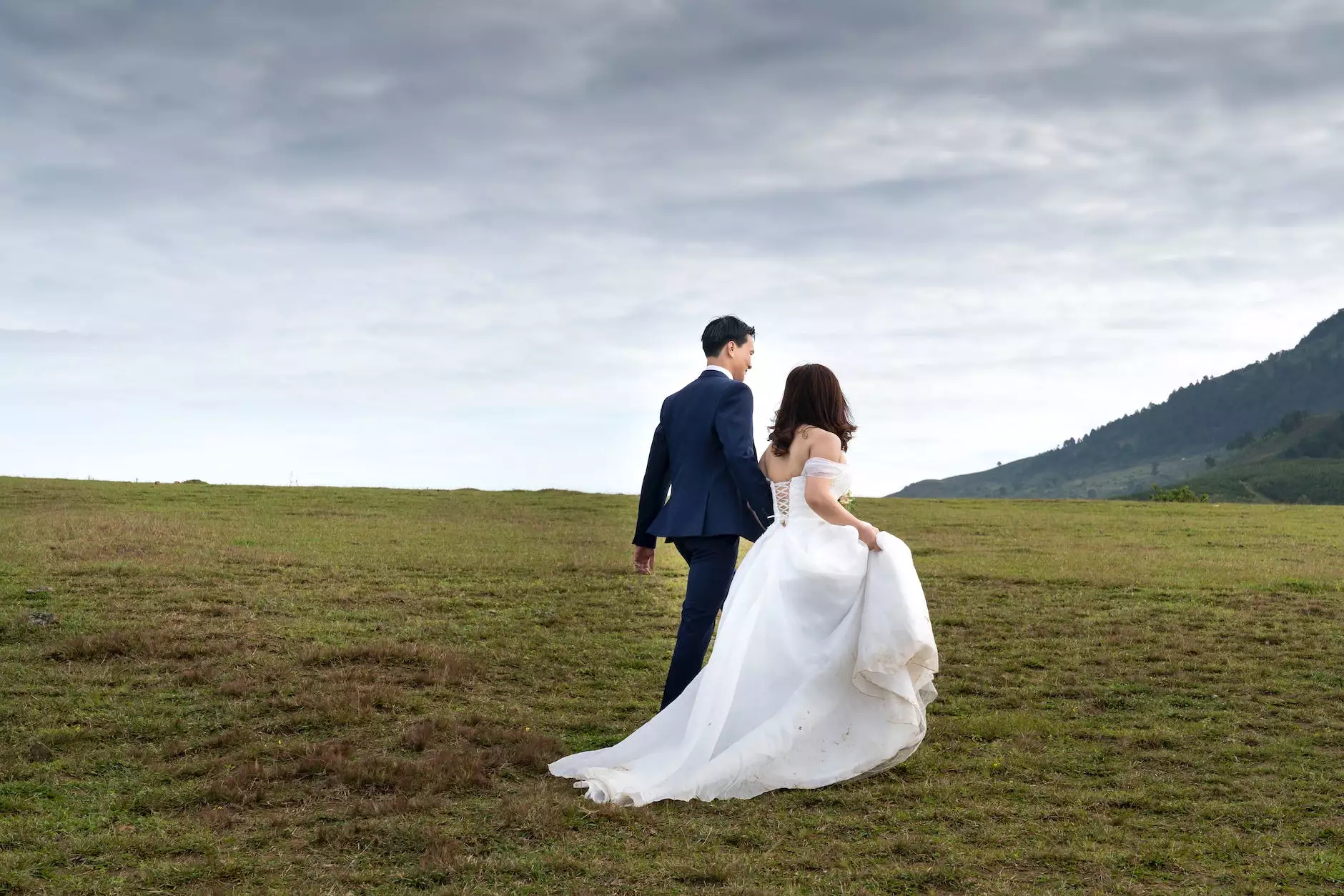
Wedding events planning is more than just organizing a celebration; it’s about creating unforgettable moments that couples and their guests will cherish forever. At the-weddingatelier.com, we believe that a well-planned wedding is the cornerstone of a successful event. In this comprehensive guide, we will explore various aspects of wedding planning, offering insights and details that will help you create the perfect day.
Understanding the Basics of Wedding Events Planning
Before diving into the intricate details of wedding events planning, it is essential to understand the fundamental components that constitute a successful wedding. From setting a budget to selecting a theme, each element plays a crucial role in crafting the overall experience.
1. Setting a Realistic Budget
Establishing a clear and realistic budget is the first step in wedding events planning. Couples often overlook this critical stage and end up overspending. Here are some useful tips to help you set a budget:
- Determine your priorities: Decide what aspects of the wedding are most important to you.
- List all potential expenses: Create a detailed list of everything from venue hire to catering services.
- Include a contingency fund: Set aside 10-15% of your budget for unexpected expenses.
2. Choosing the Perfect Venue
The venue sets the tone for the entire wedding. Choosing the right location is pivotal in wedding events planning. When selecting a venue, consider the following:
- Size: Ensure the venue can comfortably accommodate your guest list.
- Location: Opt for a convenient location that is accessible for most guests.
- Style: Choose a venue that complements your wedding theme.
Crafting Your Guest List
Your guest list is a reflection of your relationships and social circle. When creating your guest list, keep in mind:
- Budget constraints: More guests mean higher costs for catering and seating.
- Family dynamics: Think about who you want to be there and any potential familial tensions.
- Venue capacity: Ensure your guest list aligns with the space available at your chosen venue.
Wedding Theme and Style
Defining a theme will help tie together the aesthetic and emotional aspects of your wedding. Here are some popular themes:
- Rustic: Emphasizes natural elements with wooden decorations and outdoor venues.
- Elegant: Features formal attire, luxurious fabrics, and sophisticated decor.
- Beach-themed: Utilizes coastal elements, soft colors, and an airy atmosphere.
- Bohemian: Characterized by vibrant colors, eclectic decorations, and an unstructured feel.
Wedding Vendors: Finding the Right Professionals
Choosing the right vendors is crucial for a seamless wedding day. Research and hire professionals who align with your vision:
- Caterers: Taste test multiple options and read reviews.
- Photographers: Review portfolios to ensure their style resonates with you.
- Florists: Discuss budget and desired themes to create stunning arrangements.
- Musicians/DJs: Choose entertainment that reflects your personality and keeps guests engaged.
Creating a Wedding Day Timeline
A well-thought-out timeline ensures your wedding day flows smoothly. Here’s a suggested order of events:
- Preparation: Allow enough time for hair, makeup, and getting into the wedding attire.
- Ceremony: Aim for a start time that accommodates traveling guests.
- Reception: Plan for cocktail hour as vendors set up the reception area.
- Toasts and speeches: Schedule these early in the evening while guests are fresh.
- Dinner and dancing: Set a relaxing pace, allowing for guest enjoyment.
The Importance of Communication
Clear communication with everyone involved in the wedding is vital. Keep your vendors updated about your vision and any changes that arise. Here’s how to maintain effective communication:
- Regular updates: Check in with vendors regularly to confirm details.
- Shared platforms: Utilize shared documents or apps to keep everyone on the same page.
- Delegate tasks: Assign responsibilities to trusted friends or family to reduce your own stress.
Final Touches: Personalizing Your Wedding
Personal touches enhance the experience for you and your guests. Here are some ideas to make your wedding unique:
- Personal vows: Write your own vows to express your love uniquely.
- Custom decor: Incorporate elements that represent your journey together.
- Guest messages: Create a guest book alternative that captures well-wishes.
Planning for the Unexpected
Even the most carefully planned weddings may encounter hiccups. Prepare for the unexpected by being flexible and having backup plans in place:
- Weather safety: Choose venues with indoor options in case of bad weather.
- Vendor reliability: Have a list of backups ready in case of last-minute cancellations.
- Emergency kit: Pack essentials such as sewing kits, first aid supplies, and extra makeup for touch-ups.
Post-Wedding Considerations
After the celebrations, organizing the aftermath is equally important. Consider the following:
- Thank you notes: Send personalized thank-you cards to guests and vendors who contributed to your day.
- Album creation: Work with your photographer to compile memories into a beautiful album.
- Preservation: Consider preserving your wedding dress and bouquet as mementos.
Conclusion: Embrace the Journey of Wedding Events Planning
Wedding events planning can be a fulfilling and exciting journey filled with love and creativity. By setting clear goals and staying organized, you can craft a celebration that reflects your unique relationship. Remember, the most important thing is to enjoy the planning process and cherish each moment. Your wedding day is just the beginning of your beautiful story together.
For more tips and professional assistance in wedding events planning, visit the-weddingatelier.com. We are here to help you every step of the way towards your dream wedding.