The Thriving World of VR Business: Transforming Education and Virtual Reality Centers
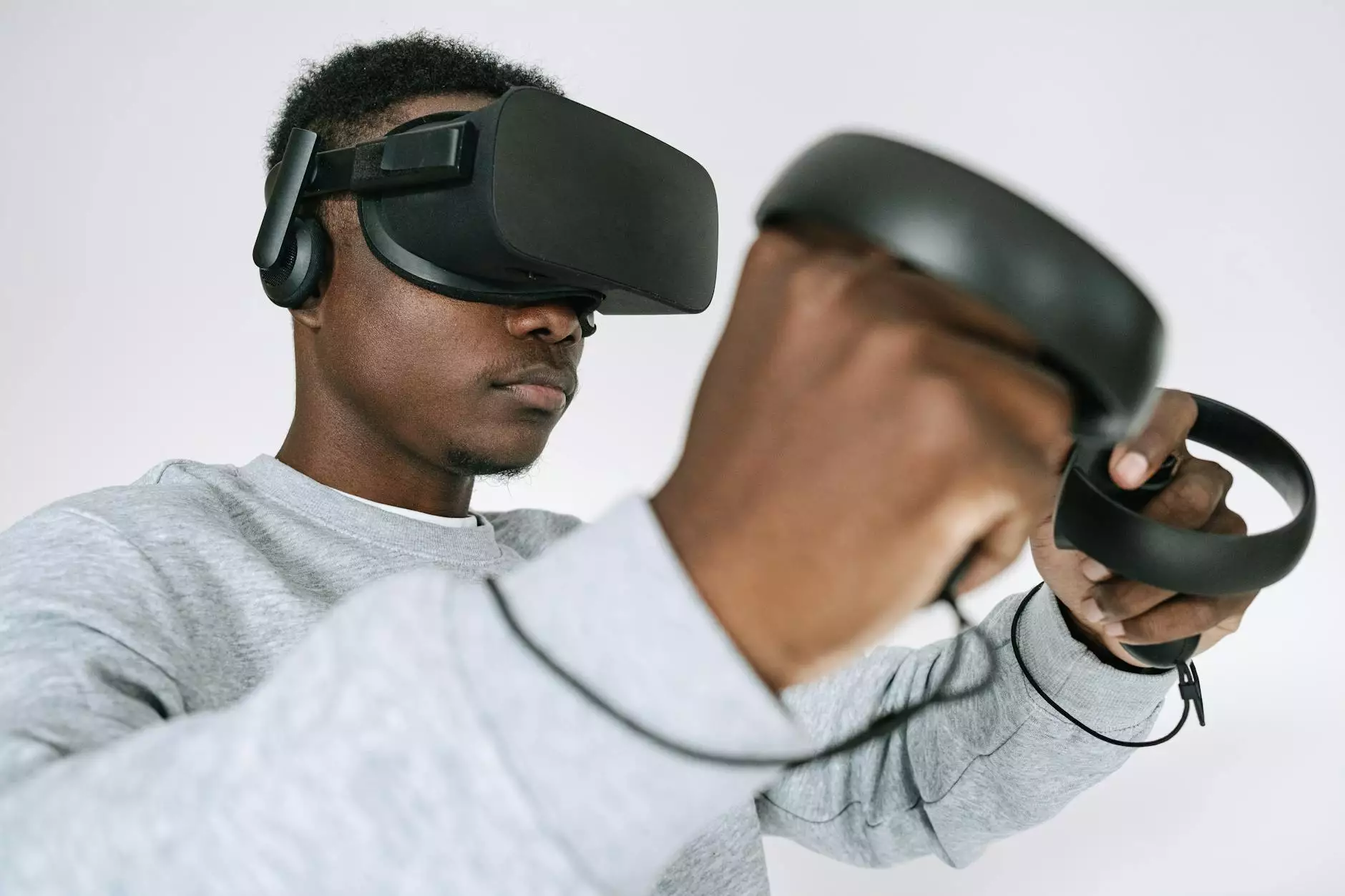
The vr business sector is rapidly evolving, reshaping how we interact with digital environments and redefining industries, particularly in education and entertainment. As technology advances, the potential of virtual reality (VR) becomes more tangible and applicable across various sectors, providing immersive experiences that were once the realm of science fiction.
Understanding Virtual Reality and Its Impact
Virtual reality refers to a computer-generated simulation that immerses users in a three-dimensional environment, allowing them to interact with the space and objects as if they were real. The growth of the vr business can be attributed to advancements in technology, including improved hardware, software, and accessibility.
Unlike traditional media, VR offers a uniquely engaging experience. Users can explore virtual worlds, attend classes, or participate in simulations, all of which can dramatically enhance learning and engagement across various fields.
The Role of VR in Education
Education is one of the most promising areas where the vr business has made significant inroads. Educational institutions are increasingly adopting VR technology to provide immersive learning experiences that enhance knowledge retention and understanding.
Enhanced Learning Experiences
With VR, students can experience lessons in a completely new way. Here are some key advantages of using VR in education:
- Immersive Learning: VR environments let students experience real-life scenarios. For example, medical students can practice surgeries in a risk-free environment.
- Increased Engagement: Interactive simulations capture students' attention more effectively than traditional teaching methods.
- Visual Learning: Complex concepts, such as the solar system or human anatomy, can be visualized in 3D, making them easier to understand.
- Safe Learning Environment: Students can explore hazardous environments, like chemistry labs or historical battlefields, without any real-world risks.
Case Studies of VR in Education
Numerous educational institutions have successfully integrated VR into their curricula. One notable example is the use of VR in medical training. Schools are employing VR simulations that allow future doctors to practice intricate procedures without the need for cadavers. This hands-on experience significantly enhances their readiness and confidence before entering the real world.
In history education, platforms like Immersive History allow students to walk through historical events and locations, fostering not only memorization but also a deeper understanding of the context and significance of what they are studying.
Virtual Reality Centers: A New Business Model
As interest in VR grows, many entrepreneurs are seizing the opportunity to establish virtual reality centers. These centers serve as dedicated venues where enthusiasts can experience VR games, simulations, and educational programs.
Benefits of VR Centers
Virtual reality centers offer numerous advantages that appeal to both consumers and businesses:
- Access to Cutting-Edge Technology: Many consumers cannot afford high-end VR equipment. VR centers provide access to the latest technologies, allowing users to experience state-of-the-art VR without the financial burden.
- Community Engagement: VR centers become community hubs, offering a space for social interaction through shared experiences.
- Business Opportunities: Entrepreneurs can tailor their offerings to different markets, such as education, entertainment, and training programs.
- Event Hosting: VR centers can host competitions, workshops, and educational events, creating a lively atmosphere that attracts diverse clientele.
Starting a VR Business: Key Considerations
For those looking to enter the vr business landscape, several key factors must be considered:
Market Research
Understanding the target demographics and market demand is crucial. Identifying whether to focus on education, entertainment, or training will significantly influence business strategy.
Location and Space
Choosing the right location is vital. A space with enough room for multiple VR stations and a comfortable area for clients is ideal. Consideration should also be given to accessibility for customers.
Technology and Equipment
The quality of VR experiences depends highly on the technology used. Investing in high-quality VR headsets and peripherals will ensure an immersive experience that keeps customers coming back.
Business Model
Deciding on a business model that includes pay-per-use, membership subscriptions, or event rentals can dictate the financial success of the venture.
The Future of the VR Business
The future of the vr business holds promising trends that will continue to shape industries:
Continued Technological Advancements
As technology evolves, the quality and accessibility of VR will improve. New headsets will feature more advanced graphics, improved comfort, and better motion tracking capabilities, making the experiences even more engaging.
Integration with Other Technologies
The combination of VR with additional technologies like augmented reality (AR) and artificial intelligence (AI) is creating hybrid solutions that could revolutionize fields beyond education, such as marketing, real estate, and healthcare.
Growth of Online VR Experiences
The pandemic accelerated the adoption of online learning and remote interactions. We can expect a rise in online VR experiences where users can connect in shared virtual spaces, enhancing social interactions across distances.
Conclusion
The vr business is not just a passing trend; it is reshaping the landscape of education and creating new business opportunities through virtual reality centers. As technology continues to advance, it will be essential for businesses to adapt and innovate to meet the growing demands of consumers seeking immersive experiences. Embracing VR not only enhances educational practices but also creates a vibrant community of users eager to explore these new frontiers.
Whether you are an educator looking to enhance your teaching methods or an entrepreneur seeking to create a VR center, the opportunities within the virtual reality landscape are boundless and waiting to be explored. In an era where technology defines our experiences, the ability to provide compelling, immersive content will set you apart in the ever-expanding vr business realm.