Laparoscopic Salpingo Oophorectomy Surgery: A Comprehensive Guide
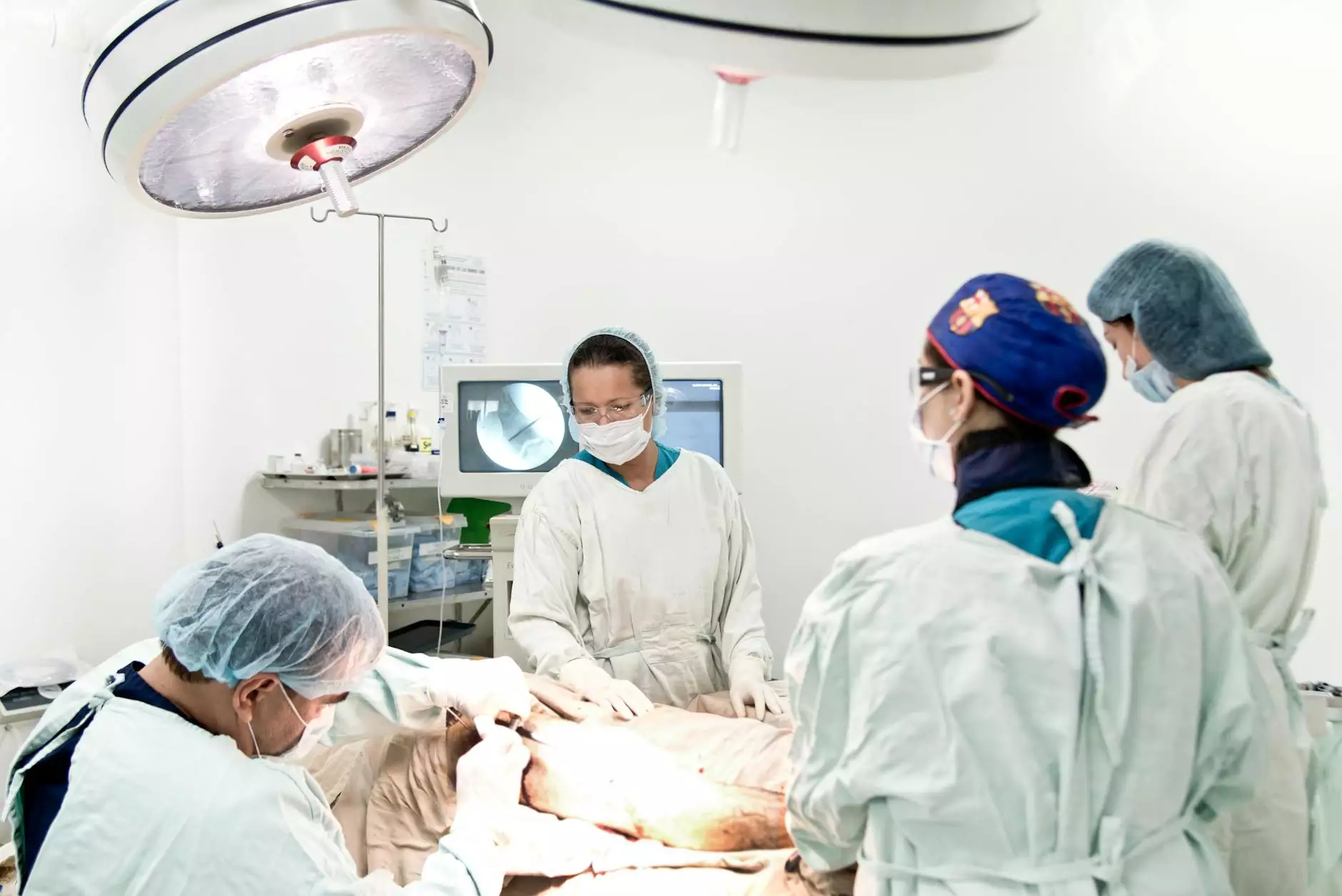
Laparoscopic salpingo oophorectomy surgery is a minimally invasive surgical procedure aimed at removing one or both of the ovaries and the fallopian tubes. This procedure is particularly beneficial for various medical conditions affecting women's reproductive health, and a proper understanding of its nuances can help patients make informed decisions about their health care. In this detailed article, we delve into the essential aspects of this surgery, including its indications, benefits, risks, and postoperative care.
What is Laparoscopic Salpingo Oophorectomy?
Laparoscopic salpingo oophorectomy combines two key elements: laparoscopy, a technique that uses small incisions and a camera to perform surgery, and the removal of the ovaries (oophorectomy) and fallopian tubes (salpingectomy). This approach contrasts significantly with the traditional open surgical technique, primarily due to its minimally invasive nature.
Indications for Surgery
There are various indications for performing a laparoscopic salpingo oophorectomy surgery. These include:
- Ovarian Tumors: The presence of benign or malignant tumors requires removal to prevent complications.
- Endometriosis: This painful condition involves tissue similar to the uterine lining growing outside the uterus and can lead to significant discomfort.
- Ovarian Cysts: Large or symptomatic cysts may necessitate removal to alleviate pain and prevent further issues.
- Pelvic Inflammatory Disease (PID): Chronic PID can cause damage to the reproductive organs and may warrant surgical intervention.
- Risk Reduction for Ovarian Cancer: Women with a familial history of breast or ovarian cancer may opt for the surgery as a preventive measure.
Benefits of Laparoscopic Surgery
The laparoscopic approach offers several significant advantages over traditional surgery, including:
- Less Pain: Smaller incisions generally result in less postoperative pain for patients.
- Reduced Scarring: The minimally invasive nature leads to smaller scars compared to open surgery.
- Shorter Recovery Time: Patients often experience quicker recoveries, allowing them to return to daily activities sooner.
- Lower Risk of Infection: Smaller incisions reduce the risk of postoperative infections.
- Outpatient Procedure: Many laparoscopic surgeries can be performed on an outpatient basis, reducing hospital time and costs.
The Procedure: What to Expect
Understanding the procedure can alleviate some anxieties that patients may have. Here’s a step-by-step breakdown of what to expect during a laparoscopic salpingo oophorectomy:
Preparation Before Surgery
Prior to the surgery, patients will undergo several preparatory steps:
- Consultation: A detailed discussion with a healthcare provider to evaluate the patient's medical history and surgical needs.
- Diagnostic Testing: Tests such as ultrasounds or blood tests may be performed to gather information about the condition.
- Anesthesia Consultation: An anesthesiologist will assess the patient to ensure they are fit for anesthesia during the procedure.
- NPO Instructions: Patients will typically be instructed not to eat or drink for several hours prior to the operation.
During the Surgery
Laparoscopic surgery generally involves the following steps:
- Anesthesia Administration: General anesthesia is typically used for the patient's comfort.
- Incisions: Usually, three to four small incisions (about 0.5 to 1 cm each) are made in the abdomen.
- Insertion of Laparoscope: A laparoscope (a thin tube with a camera) is inserted through one of the incisions to visualize the internal organs.
- Carbon Dioxide Insufflation: Gas is introduced into the abdomen to create space for better visibility and access.
- Removal of Organs: The ovaries and fallopian tubes are delicately removed with surgical instruments.
- Closure: The incisions are closed with sutures or surgical tape, and a sterile dressing is applied.
Recovery After Surgery
Postoperative care is crucial for a successful recovery following laparoscopic salpingo oophorectomy surgery. Here’s a snapshot of what the recovery process entails:
Immediate Aftercare
Upon completion of the surgery, patients will be monitored in a recovery room. Some immediate care guidelines include:
- Pain Management: Pain relief medications will be provided, and recommendations for home pain management will be discussed.
- Monitoring Vital Signs: Medical staff will check the patient’s vital signs periodically to ensure stability.
- Dietary Instructions: Patients may be allowed to start with clear liquids and gradually progress to solid foods as tolerated.
Home Care Tips
When transitioning home, it’s important to follow specific care tips to facilitate recovery:
- Rest: Allowing the body to heal is essential, so patients should not engage in strenuous activities for several weeks.
- Follow-Up Appointments: Attending scheduled follow-ups is critical to monitor the healing process.
- Watch for Complications: Be vigilant for signs of infection or other complications, such as fever, excessive bleeding, or severe pain.
Potential Risks and Complications
While laparoscopic salpingo oophorectomy is generally safe, some potential risks include:
- Infection: As with any surgery, there is a risk of infection at the incision sites or internally.
- Bleeding: Uncontrolled bleeding could require additional surgical intervention.
- Damaged Surrounding Organs: There is a risk of injury to nearby structures, such as the bladder or bowel.
- Complications from Anesthesia: Adverse reactions to anesthesia can occur, although they are rare.
Why Choose the Right Specialist?
Selecting an experienced surgeon is critical for successful outcomes in laparoscopic salpingo oophorectomy surgery. Here’s why:
Expertise Matters
- Experience: A well-trained surgeon with significant experience in laparoscopic procedures can ensure precision and minimize risks.
- Holistic Approach: A specialist can provide comprehensive care that considers the patient's medical history and personal circumstances.
- Postoperative Support: Access to a healthcare team that offers dedicated support during recovery can significantly impact healing outcomes.
The Bottom Line
Laparoscopic salpingo oophorectomy surgery is a vital procedure for women experiencing reproductive health issues. Understanding its benefits, the procedure, recovery strategies, and potential risks is fundamental in making informed healthcare choices. If you or someone you know is considering this surgery, consult with a specialist to discuss specific needs and ensure the best possible care.
At drseckin.com, our team is dedicated to providing expert care in women's health, ensuring that our patients receive the highest quality of service and support throughout their surgical journey. Don't hesitate to reach out and schedule a consultation today!