The Vital Role of a **Thoracic Surgeon** in Healthcare
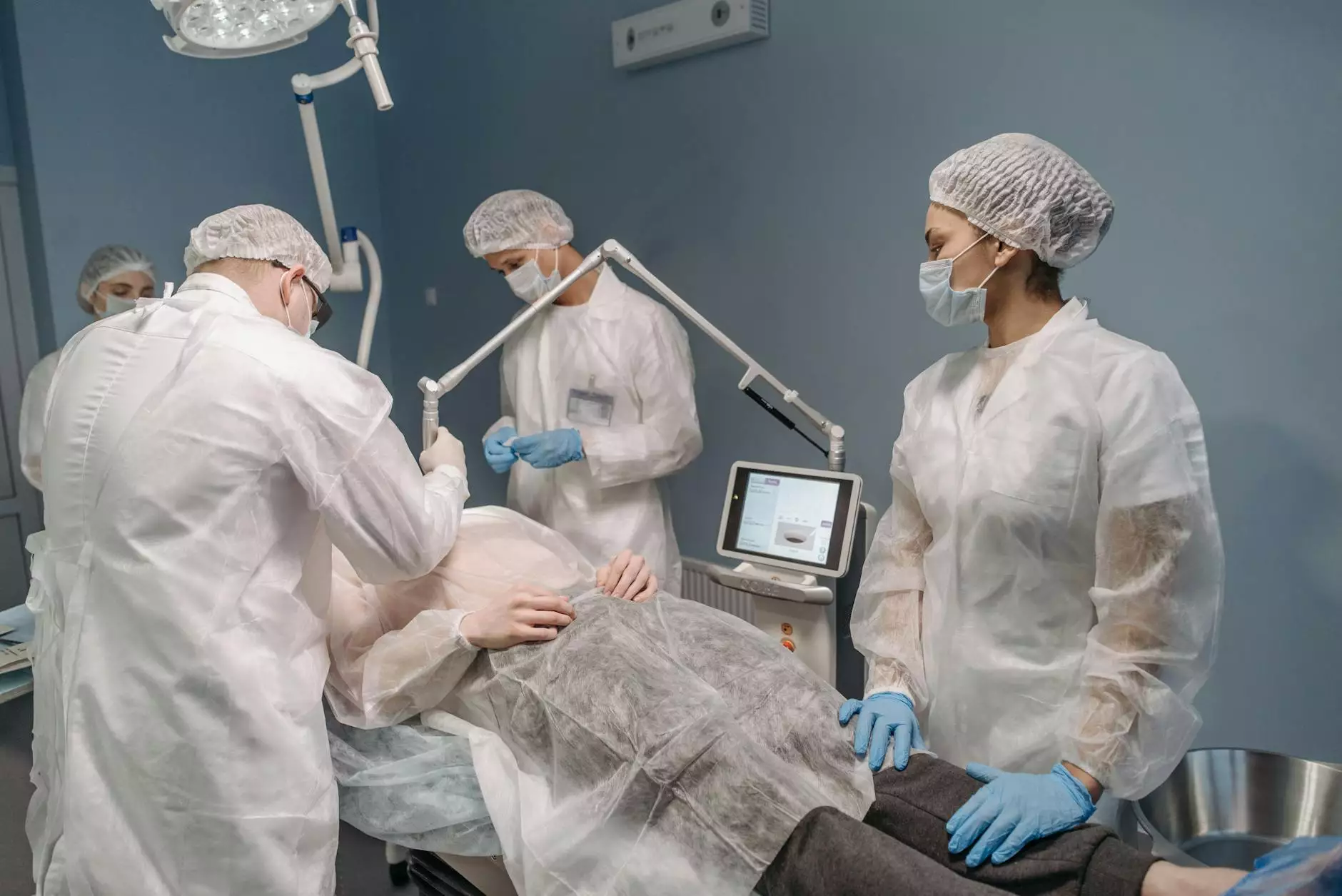
In today's complex healthcare landscape, the role of a thoracic surgeon is more essential than ever. Specializing in surgeries related to the chest, thoracic surgeons are pivotal in treating conditions that affect vital organs such as the heart, lungs, and esophagus. This article delves deep into their responsibilities, the intricacies of their work, and the critical link between surgical interventions and overall health in the realms of Health & Medical, Sports Medicine, and Physical Therapy.
What is a Thoracic Surgeon?
A thoracic surgeon is a highly skilled medical professional who specializes in surgical procedures involving the thoracic cavity. This includes:
- Heart surgeries
- Lung surgeries, including lobectomies and pneumonectomies
- Esophageal surgeries
- Chest wall reconstructions
- Mediastinal surgeries
They play a critical role in diagnosing and treating diseases, injuries, and deformities of the thoracic organs through both open surgical methods and minimally invasive techniques.
The Importance of Thoracic Surgery in Modern Medicine
Thoracic surgery is pivotal to modern medicine for several reasons:
- Life-Saving Interventions: Many thoracic procedures are performed on patients with severe respiratory or cardiac conditions, often being life-saving.
- Improving Quality of Life: Surgical interventions can relieve symptoms, thereby significantly enhancing the quality of life for patients suffering from chronic diseases.
- Advancements in Technique: With the advent of technologies such as robotic surgery, thoracic surgeons can perform complex operations with increased precision and reduced recovery times.
Common Conditions Treated by a Thoracic Surgeon
Thoracic surgeons address various medical conditions, including:
- Lung Cancer: A leading cause of cancer-related mortality, requiring thorough surgical intervention.
- Pulmonary Embolism: Life-threatening blood clots in the lungs that necessitate urgent surgical treatment.
- Chronic Obstructive Pulmonary Disease (COPD): In advanced cases, procedures like lung volume reduction surgery may be indicated.
- Esophageal Conditions: Such as esophageal cancer or severe gastroesophageal reflux disease (GERD), which can require surgical correction.
- Congenital Defects: Addressing heart and lung defects present at birth may require surgical intervention from a thoracic expert.
The Path to Becoming a Thoracic Surgeon
Becoming a thoracic surgeon is a rigorous endeavor that typically involves:
- Undergraduate Education: Completing a bachelor’s degree, often with a focus on sciences.
- Medical School: Attending medical school to become a doctor of medicine (MD) or a doctor of osteopathic medicine (DO).
- General Surgery Residency: Completing a five to seven-year residency in general surgery.
- Thoracic Surgery Fellowship: Engaging in a two to three-year fellowship focused specifically on thoracic surgical procedures.
This extensive training is crucial for mastering the complex anatomy and techniques involved in thoracic surgery.
Collaborative Care: The Role of Thoracic Surgeons in a Multidisciplinary Team
Thoracic surgeons frequently collaborate with various healthcare professionals, playing an integral part in a multidisciplinary team. Their collaboration ensures comprehensive patient care that spans many areas, including:
- Primary Care Physicians: Initial diagnosis and referrals to surgery.
- Oncologists: Jointly managing cancer treatment strategies.
- Radiologists: Interpreting imaging studies that guide surgical decisions.
- Physical Therapists: Assisting patients in rehabilitation post-surgery, a crucial aspect of recovery.
- Nurses and Surgical Technologists: Assisting in pre-operative and post-operative care.
This collaborative approach enhances the efficacy of treatment plans and leads to improved patient outcomes.
Postoperative Care and Recovery
After thoracic surgery, the recovery process is crucial and can involve:
- Pain Management: Effective strategies to minimize discomfort.
- Monitoring: Close observation for any complications such as infections or bleeding.
- Rehabilitation: Implementing a tailored physical therapy plan to restore function.
Each patient's recovery plan is unique, influenced by the type of surgery performed, their health status prior to surgery, and their lifestyle.
The Intersection of Thoracic Surgery and Physical Therapy
Physical therapy plays a vital role in the recovery of thoracic surgery patients. Here’s how:
- Enhances Mobility: Addressing post-surgery restrictions and promoting safe movement.
- Strengthening Exercises: Focused on rebuilding strength in the respiratory muscles and overall body.
- Respiratory Therapy: Techniques to improve breathing and lung function.
- Education: Teaching patients about their condition and how to manage their recovery effectively.
Through tailored physical therapy programs, patients can significantly enhance their recovery process and overall quality of life.
Innovations in Thoracic Surgery
Like many fields in medicine, thoracic surgery is continually evolving. Recent innovations include:
- Minimally Invasive Techniques: Utilizing smaller incisions, resulting in less pain and quicker recovery times.
- Robotic Surgery: Offering greater precision and control during complex procedures.
- Enhanced Imaging Techniques: Advanced imaging such as 3D reconstruction providing surgeons with detailed views of anatomy.
- Telemedicine: Allowing for pre-operative and post-operative consultations, improving patient access to specialists.
These advancements enhance the safety and effectiveness of thoracic surgery, continually improving patient outcomes.
Conclusion: The Impact of a Thoracic Surgeon
The role of a thoracic surgeon transcends the confines of the operating room. Their work is instrumental in addressing life-threatening conditions, enhancing the quality of life, and collaborating with comprehensive healthcare teams to facilitate holistic patient care. Whether it’s in the field of Health & Medical, Sports Medicine, or Physical Therapy, the contributions of a thoracic surgeon are invaluable in shaping a healthier future for patients.
In summary, as advancements in medicine continue to progress, the expertise and impact of thoracic surgeons are critical in elevating the standards of patient care and outcomes in today's ever-evolving healthcare environment.