Understanding the Art of Mixing Semaglutide: A Comprehensive Guide for Nutritionists and Pharmacists
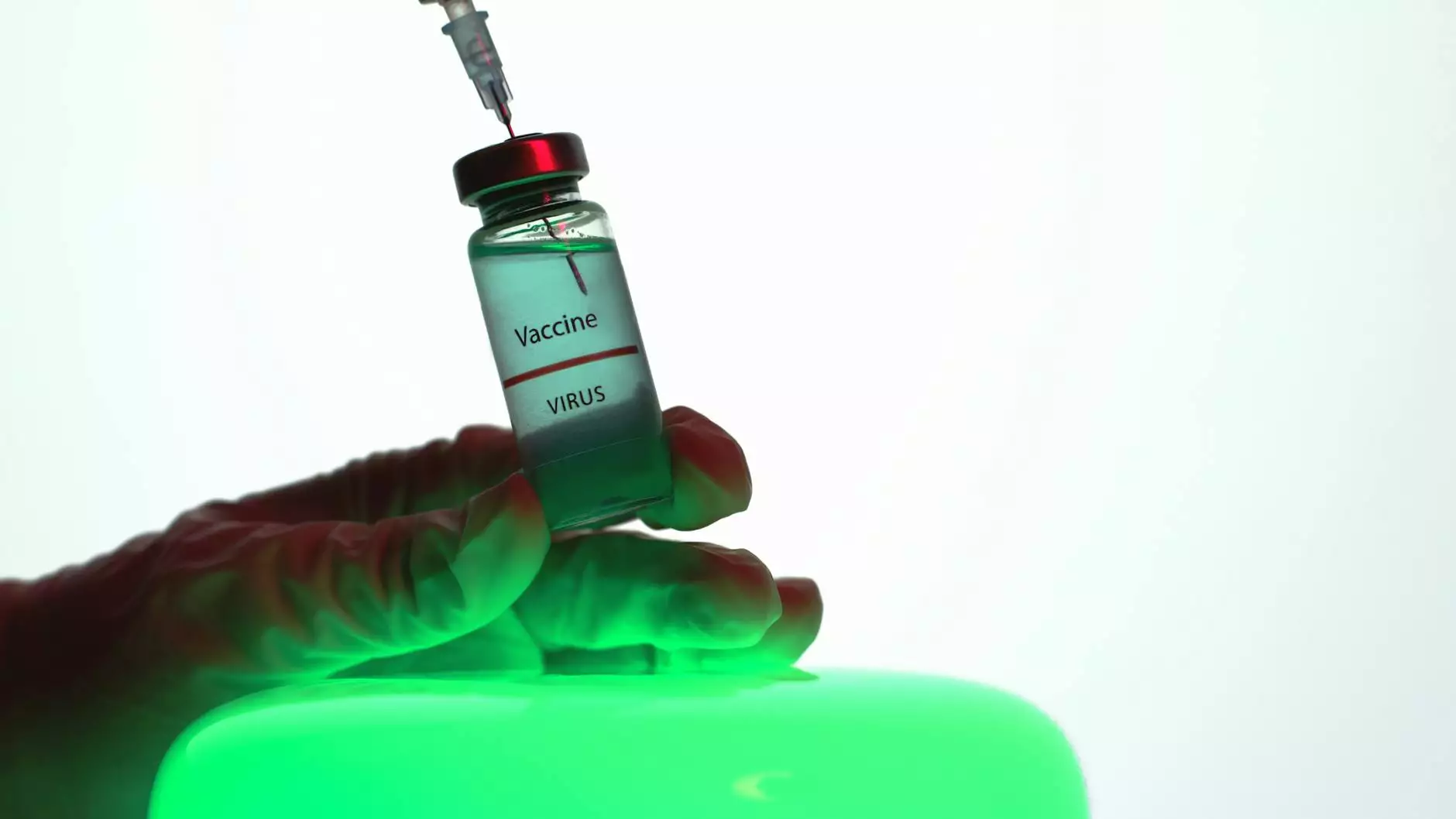
In recent years, semaglutide has gained remarkable popularity in the medical and wellness communities due to its proven efficacy in weight management and glycemic control. As the demand for effective administration methods increases, so does the necessity for proper preparation and mixing techniques. Whether you are a licensed nutritionist, pharmacist, or an individual exploring treatment options, understanding the intricacies of how do you mix semaglutide is crucial to ensure safe, effective, and consistent results.
What is Semaglutide and Why is Proper Mixing Important?
Semaglutide is a potent glucagon-like peptide-1 (GLP-1) receptor agonist used primarily to regulate blood sugar levels and promote weight loss. It mimics the body's natural incretin hormones, enhancing insulin secretion, suppressing appetite, and slowing gastric emptying.
Proper mixing of semaglutide is essential because it ensures the medication is evenly distributed within the solution, maintaining its potency and safety. Incorrect mixing can lead to inconsistent dosing, reduced effectiveness, or adverse reactions, which could compromise patient health outcomes.
Pharmacological Considerations for Mixing Semaglutide
Before diving into the detailed process of mixing semaglutide, it is necessary to understand some key pharmacological aspects:
- Stability: Semaglutide remains stable when stored properly but can degrade if exposed to improper conditions or if mixed incorrectly.
- Reconstitution: Semaglutide typically comes in powder form requiring reconstitution with a diluent before administration.
- Storage: After mixing, the solution must be stored correctly—usually refrigerated—and used within a specified timeframe.
Step-by-Step Guide: How Do You Mix Semaglutide
The process of mixing semaglutide involves meticulous attention to detail to preserve its efficacy. Below is a comprehensive, step-by-step guide based on clinical standards and expert recommendations.
1. Gather All Necessary Equipment and Supplies
- Semaglutide powder vial
- Sterile water for injection or diluent
- Sterile syringe and needle
- Alcohol swabs
- Vial adapter or filter needle (if required)
- Disposal container for sharps
2. Prepare a Sterile Environment
Ensure your workspace is clean and sanitized. Wash your hands thoroughly with soap and water, then wear gloves if necessary. Use alcohol swabs to disinfect the top of the vials and other contact surfaces to prevent contamination.
3. Resuspend the Semaglutide Powder
Using the sterile syringe, draw the appropriate volume of sterile water (commonly 1.0 to 2.0 mL depending on prescribed concentration). Insert the needle into the vial containing the powder and inject the diluent slowly along the vial wall to avoid foaming.
Important: Do not shake vigorously. Instead, gently rotate or swirl the vial until the powder is fully dissolved, resulting in a clear, colorless solution.
4. Inspect the Prepared Solution
Check for particulate matter or discoloration. If the solution appears cloudy or contains particles, do not use it. Properly dispose of the solution and prepare anew.
5. Draw the Reconstituted Semaglutide
Using a new sterile syringe and needle, draw the prescribed dose from the reconstituted vial. Ensure no air bubbles are present; tap out any bubbles gently by pushing the plunger slightly.
6. Administer or Store Properly
If administering immediately, proceed with the injection following medical directions. If not, store the mixed solution in a refrigerator (2°C - 8°C) and use within the recommended period—usually 28 days.
Safety Tips and Best Practices for Mixing Semaglutide
Safety, efficacy, and consistency depend on good practices. Here are key tips:
- Always use sterile, single-use equipment.
- Avoid using expired vials or diluents.
- Label the vial with the preparation date and time.
- Store prepared solutions at recommended refrigeration temperatures.
- Disposal of sharps should follow local regulations to prevent injury and contamination.
The Role of Nutritionists and Pharmacists in Semaglutide Preparation
Nutritionists and pharmacists play vital roles in ensuring the correct mixing and administration of semaglutide, thereby optimizing patient outcomes.
Nutritionists
They guide patients on the dietary aspects related to semaglutide therapy, emphasizing the importance of lifestyle modifications alongside medication. Nutritionists often educate patients on proper handling, storage, and administration techniques, including how to prepare doses safely at home if prescribed.
Pharmacists
Pharmacists are responsible for ensuring the medication arrived intact, providing detailed reconstitution instructions, and verifying correct doses. They can also answer questions regarding storage, expiration, and proper administration to maximize safety and effectiveness.
Common Challenges and Solutions in Mixing Semaglutide
Despite precise instructions, some challenges may arise:
- Clumping or insoluble powder: Ensure complete dissolution with gentle swirling; do not shake vigorously.
- Expired or contaminated supplies: Always check expiration dates and inspect supplies before use.
- Incorrect dosing: Use calibrated syringes to measure doses accurately.
- Temperature sensitivity: Always refrigerate the solution and avoid freezing.
Conclusion: Mastering the Art of Semaglutide Mixing for Optimal Health Benefits
Mastering how do you mix semaglutide is fundamental for ensuring the medication’s potency, safety, and efficacy. By following meticulous protocols, understanding pharmacological principles, and collaborating with healthcare professionals like nutritionists and pharmacists, users can achieve the best possible outcomes in their weight management and diabetes control journeys.
Remember, always adhere to prescribed guidelines, practice sterile techniques, and seek professional advice when in doubt. Properly mixed and stored, semaglutide can be a transformative element in your health regimen, empowering you towards a healthier, more vibrant life.