Unlocking Success in the Business of Department Stores, Shopping & Fashion: Expert Insights & Strategic Growth
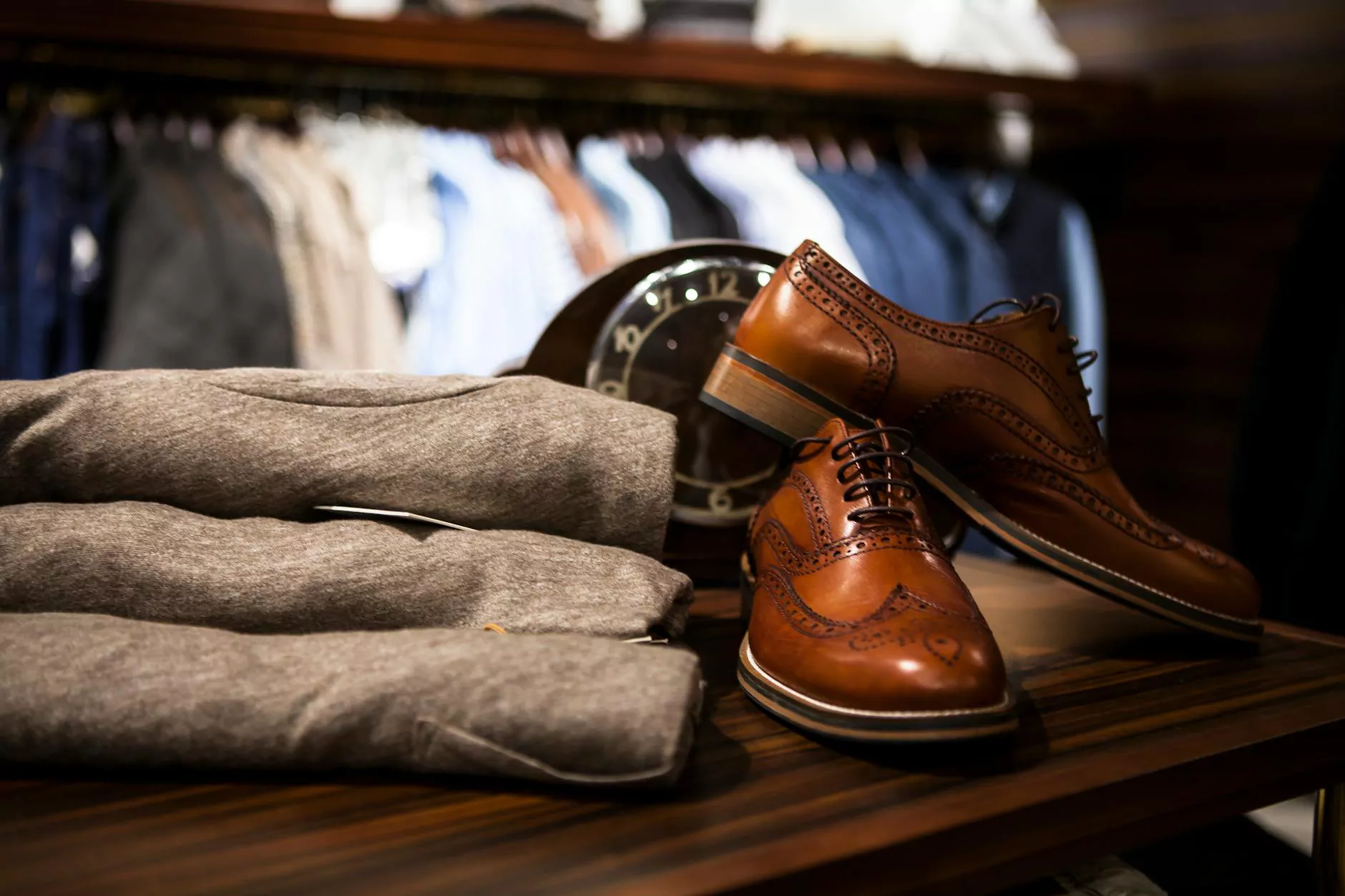
In today's rapidly evolving retail landscape, establishing and maintaining a prosperous business within department stores, shopping, and fashion requires meticulous planning, innovative marketing, and a deep understanding of consumer preferences. Companies that master these elements are positioned to not only thrive but also lead the market. Throughout this comprehensive guide, we explore key strategies, emerging trends, and actionable insights that can help your business outshine competitors and achieve sustainable growth.
Understanding the Dynamics of the Retail Industry in Fashion and Shopping
The retail industry, especially sectors like fashion and department stores, is characterized by rapid change and fierce competition. Consumer expectations are higher than ever, demanding personalized experiences, premium quality, and seamless shopping journeys. To outcompete in this crowded marketplace, businesses must embrace innovation, leverage technology, and forge strong brand connections.
Key Factors Influencing the Retail Business Success
- Consumer Trends: Staying ahead of fashion trends and understanding shifting consumer behaviors are crucial for designing relevant product offerings.
- Digital Transformation: Investing in e-commerce platforms and digital marketing strategies to broaden reach and improve customer engagement.
- Customer Experience: Creating personalized, enjoyable shopping experiences both online and offline to foster loyalty.
- Supply Chain Efficiency: Ensuring a resilient supply chain that supports timely product delivery and inventory management.
- Sustainability: Incorporating eco-friendly practices to meet growing demand for sustainable fashion and ethical business practices.
Maximizing Opportunities in Department Stores
Department stores have historically served as the cornerstone of retail shopping, offering a wide range of brands and product categories under one roof. Modern department stores are reinventing themselves by integrating technology, creating experiential environments, and curating exclusive brands to attract diverse customer segments.
Strategies to Innovate Department Store Business
- Enhanced Customer Experience: Incorporate interactive displays, virtual try-ons, and augmented reality to engage shoppers actively.
- Omnichannel Integration: Seamlessly blend physical and online shopping channels to provide a cohesive customer journey.
- Exclusive Collaborations: Partner with fashion designers and brands for exclusive collections that draw foot traffic and media attention.
- Personalized Services: Utilize data analytics to offer personalized recommendations, tailored promotions, and concierge services.
- Event Marketing: Host fashion shows, pop-up shops, and style workshops to enrich the shopping environment and build community.
Fashion & Shopping: Capturing Consumer Loyalty and Increasing Revenue
The core of a thriving fashion business lies in understanding your audience and delivering value through innovative products and memorable shopping experiences. The market's competitiveness demands continuous adaptation and strategic positioning.
Effective Approaches to Fashion Business Growth
- Trend Forecasting: Stay ahead by subscribing to fashion trend reports and leveraging influencer collaborations to anticipate consumer preferences.
- Digital Marketing Mastery: Invest in social media advertising, content marketing, and influencer partnerships for brand visibility.
- Product Diversification: Offer a curated mix of timeless classics and avant-garde designs suited for various customer segments.
- Customer Personalization: Use AI-enabled tools to recommend products based on browsing and purchase histories.
- Efficient Inventory Management: Adopt just-in-time inventory strategies to reduce excess stock and improve cash flow.
Leveraging Technology to Boost Business Performance
Technology plays a pivotal role in modern retail success. From big data analytics to immersive online experiences, integrating cutting-edge tools can dramatically improve operations and customer satisfaction.
Key technological innovations include:
- Artificial Intelligence: For predictive analytics, personalized recommendations, and chatbots enhancing customer service.
- Virtual and Augmented Reality: To simulate fitting rooms and showcase products interactively.
- Mobile Commerce: Ensuring mobile-friendly websites and dedicated apps facilitate convenient shopping on the go.
- Inventory Management Software: Real-time tracking and automation streamline stock control and reduce costs.
- Customer Relationship Management (CRM) Systems: To nurture ongoing customer relationships and develop targeted marketing campaigns.
Building a Strong Brand and Market Presence
A recognizable, trusted brand is essential for sustained growth in the competitive retail environment. Effective branding strategies include clear brand messaging, consistent visual identity, and engaging storytelling that resonates emotionally with consumers.
Additional tactics include:
- Content Marketing: Creating valuable content that positions your brand as an industry authority.
- Influencer Partnerships: Collaborating with fashion influencers and opinion leaders to extend reach.
- Customer Engagement: Utilizing social media platforms to interact directly with your audience and foster community.
- Sustainable Branding: Demonstrating commitment to eco-friendly practices enhances credibility among conscious consumers.
Legal and Financial Considerations for Retail Success
Managing legal and financial affairs effectively is foundational to scaling any business. Engaging experts such as a personal tax attorney ensures compliance with tax laws, optimizes financial strategies, and safeguards your assets.
Why Your Business Needs a Personal Tax Attorney
A personal tax attorney provides specialized legal advice on tax planning, dispute resolution, and regulatory compliance. Their expertise helps you:
- Identify tax benefits and credits relevant to your retail operations.
- Develop strategies to minimize liabilities legally.
- Navigate complex tax laws across different jurisdictions.
- Handle audits or disputes with tax authorities efficiently.
- Plan estate and succession arrangements to preserve your business legacy.
Investing in legal support ensures your business remains compliant and financially optimized, thereby reinforcing your competitive position.
Future Outlook: Embracing Innovation & Sustainability
The retail industry is poised for transformation driven by technological advancement and sustainability imperatives. Future success hinges upon your ability to innovate, adapt, and prioritize ethical practices.
Emerging trends include:
- Blockchain for Supply Chain Transparency: Enhances trust and authenticity.
- Smart Stores: Implementing IoT devices for inventory management and customer engagement.
- Sustainable Fashion: Using recycled materials and eco-friendly dyes to meet ecological standards.
- Personalized Shopping Experiences: Leveraging AI to tailor recommendations and services.
- Omnichannel Retail: Seamlessly integrating physical, online, and social commerce channels.
Conclusion: The Path to Business Excellence in Retail and Fashion
Building a successful business in department stores, shopping, and fashion requires a multifaceted approach that combines strategic planning, innovative technologies, and a steadfast focus on customer needs. Embracing change, investing in marketing excellence, and forming strategic legal partnerships like with a personal tax attorney are essential steps toward sustainable growth.
By continuously analyzing market trends, refining your offerings, and nurturing your brand identity, your business can attain and sustain a leadership position in this dynamic industry. Remember, success in retail is not just about selling products but creating memorable experiences that inspire loyalty and differentiate your brand in an increasingly competitive environment.